
Orchestrating Microbiome Analysis with Bioconductor
Dates
2–6 February 2026
To foster international participation, this course will be held online
Course overview
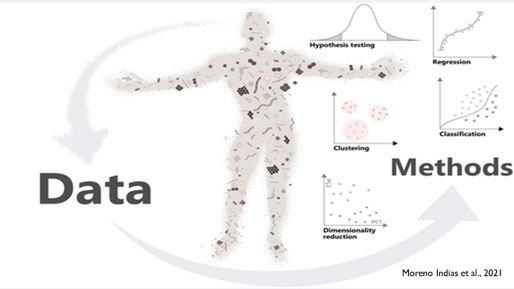
This course provides an introduction to microbiome data analysis using R/Bioconductor. Over five half-days, participants will learn how to import, process, and analyse microbiome datasets, explore diversity patterns, perform differential abundance analyses, and integrate multi-omics data. The course combines lectures with practical exercises to give participants the skills and confidence to run common microbiome analysis workflows independently using freely available resources.
Target Audience
The course is primarily designed for advanced MSc, PhD and postdoctoral researchers who wish to learn new skills in scientific programming and multi-omic data analysis with a particular focus on microbiome research. Earlier experience with R is expected:
-
You know what variables and functions are
-
You have created R, Rmd, or Quarto files before
-
Please note: we cannot teach the very basics of R programming in this course, but the level above is sufficient
Learning outcomes
By the end of this course, participants will be able to:
-
Import, structure, and manage microbiome datasets in Bioconductor
-
Perform data agglomeration and transformation for downstream analyses
-
Calculate and interpret alpha and beta diversity metrics
-
Conduct differential abundance analyses using appropriate statistical approaches
-
Integrate microbiome data with other omics datasets for exploratory analyses
-
Build and run common microbiome analysis workflows using publicly available tools and resources
Session content
Daily on-line meetings, 12:00-16:00 CET; offline communication through Slack.
Monday, February 2
12:00–12:15: Welcome and practicalities
12:15–12:45: Microbiome data science in Bioconductor
12:45–13:00: Data containers
13:00–13:45: Hands-on
13:45–14:00: Break
14:00–14:15: Data import
14:15–15:30: Hands-on
15:30–16:00: Q&A
Tuesday, February 3
12:00–12:15: Recap
12:15–12:30: Data agglomeration
12:30–13:45: Hands-on
13:45–14:00: Break
14:00–14:15: Data transformation
14:15–15:30: Hands-on
15:30–16:00: Q&A
Wednesday, February 4
12:00–12:15: Recap
12:15–12:45: Alpha diversity
12:45–13:45: Hands-on
13:45–14:00: Break
14:00–14:15: Beta diversity
14:15–15:30: Hands-on
15:30–16:00: Q&A
Thursday, February 5
12:00–12:15: Recap
12:15–12:30: Association testing
12:30–13:45: Hands-on
13:45–14:00: Break
14:00–14:15: Differential abundance analysis
14:15–15:30: Hands-on
15:30–16:00: Q&A
Friday, February 6
12:00–12:15: Recap
12:15–12:45: Multi-omics integration
12:45–13:45: Hands-on
13:45–14:00: Break
14:00–14:45: Selected topics based on participants' suggestions
14:45–15:30: Hands-on
15:30–16:00: Q&A
Instructors


COst overview
Related courses
1 - Multimodal AI for Systems Biology- ONLINE, 2-6 March
2 - Metabarcoding in Microbial Ecology - ONLINE, 16-20 March
3 - Metatranscriptomics - ONLINE, 27-29 April
4 - Ancient Metagenomics - ONLINE, 4-6 May
Cancellation Policy:
> 30 days before the start date = 30% cancellation fee
< 30 days before the start date= No Refund.
Physalia-courses cannot be held responsible for any travel fees, accommodation or other expenses incurred to you as a result of the cancellation.